Guided Healing Therapy
Helping You Calm Anxiety, Heal Relational Wounds, and Reconnect With Yourself
Attachment-Focused, Trauma Therapy in Massachusetts
You may understand your patterns. You may even know where they come from. But when anxiety rises, conflict happens, emotional exhaustion builds, or disconnection creeps in, it can feel like you’re pulled right back into the same loop.
Many adults feel burned out, overwhelmed, or emotionally drained in their relationships—even when they are trying their best to keep things together. These patterns can show up in romantic relationships, friendships, family dynamics, and even workplace interactions.
At Guided Healing Counseling Services, I provide attachment-focused, trauma-informed therapy and EMDR therapy for adults in Massachusetts through secure telehealth. I work with individuals who feel stuck in repeating relationship patterns, overwhelmed by anxiety, emotionally exhausted, or disconnected from their voice, needs, and boundaries.
Together, we explore the deeper emotional and relational patterns shaping your experiences so you can move toward greater stability, clearer communication, and more secure connections with yourself and others.

Who I support:

Adults across Massachusetts navigating anxiety, trauma, depression, and relationship challenges.
Many feel stuck in repeating attachment patterns such as people-pleasing, fear of conflict, emotional overwhelm, or difficulty expressing needs. Outwardly capable, inwardly exhausted.
Using attachment-focused, trauma-informed therapy and EMDR, therapy focuses on calming the nervous system, understanding relational loops, and creating meaningful, lasting emotional change.
Areas of speciality:
Attachment-Based Therapy for Relationship Patterns (Telehealth in Massachusetts)
EMDR & Trauma Therapy in Massachusetts
Anxiety, Depression & Repeating Emotional Struggles
Overfunctioning, Burnout & People-Pleasing Patterns
How Therapy Helps Shift Anxiety, Trauma, and Relationship Patterns
-

Attachment-Based Therapy
Heal relationship patterns at the root.
If you feel stuck in repetitive cycles — overgiving, shutting down, fearing conflict, or feeling disconnected from yourself or others — attachment-focused therapy helps you understand why.
Together, we explore how early relational experiences shaped your nervous system, coping patterns, and current relationships. The goal isn’t blame — it’s awareness, regulation, and building secure ways of relating.
Best for: anxiety, relationa stress, people-pleasing, emotional overwhelm, relational trauma, and persistent relational patterns.
-

EMDR Therapy
Process trauma without reliving it.
EMDR (Eye Movement Desensitization and Reprocessing) is an evidence-based therapy that helps your brain reprocess distressing memories so they no longer feel activating or overwhelming.
Instead of just talking about the past, EMDR works directly with how trauma is stored in the nervous system — reducing triggers, panic responses, and emotional reactivity.
Best for: trauma, anxiety, panic, intrusive memories, negative self-beliefs, and nervous system dysregulation.
When Anxiety, Overthinking, or Emotional Exhaustion Start Taking Over
adults reach therapy feeling mentally and emotionally exhausted — constantly overthinking, carrying tension in their body, or feeling responsible for everyone around them. Even when life appears stable on the outside, the internal pressure can feel overwhelming. Therapy can help you understand the deeper patterns driving anxiety and emotional exhaustion so you can move toward greater clarity, steadiness, and connection.
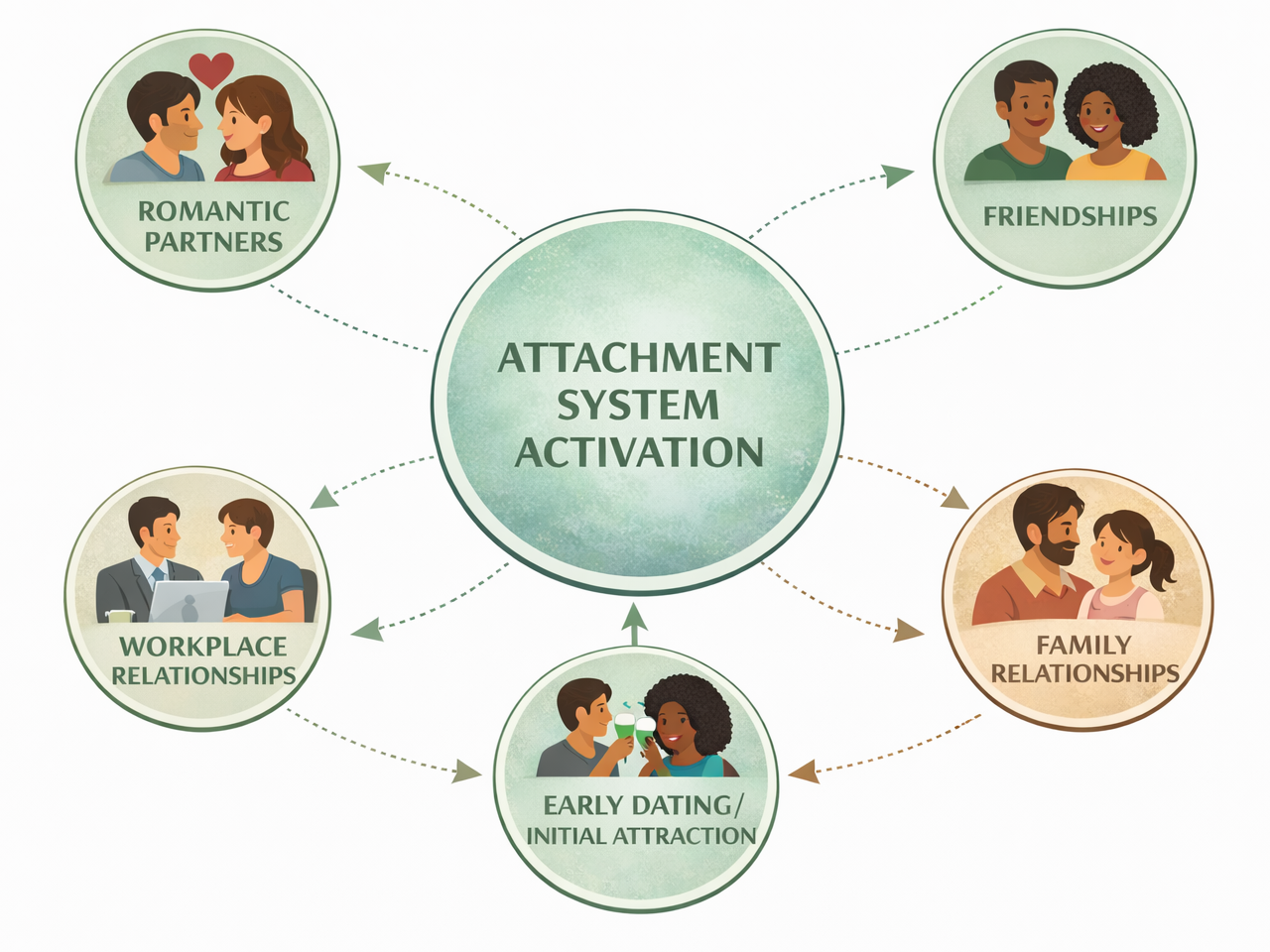
Attachment patterns can shape how we experience romantic relationships, friendships, family dynamics, and even interactions at work.
You might find yourself overthinking conversations, fearing rejection, struggling to express your needs, avoiding conflict, or feeling emotionally overwhelmed during stress or disagreement. Sometimes people notice they become overly responsible for others, while at other times they may shut down or pull away.
These responses are not character flaws — they are often learned emotional patterns connected to attachment and past relational experiences.
Through therapy, we can begin to understand these patterns, reduce anxiety around relationships, and develop more secure, balanced ways of connecting with others and with yourself.
How Attachment Patterns Show Up in Different Relationships